Imagine you’re setting sail from Monterey Harbor with your sights set on Hawaii.
Before you leave, your navigation heading shifts slightly. The difference is difficult to notice.
At first, everything looks fine. Your boat appears to be moving in the right direction, and nothing seems wrong.
But as the miles add up, that small directional error carries you farther from your intended course.
This illustration helps explain why alignment matters in your vehicle, too. Cameras and radar sensors need accurate positioning and reference points to support the driver assistance features you rely on.
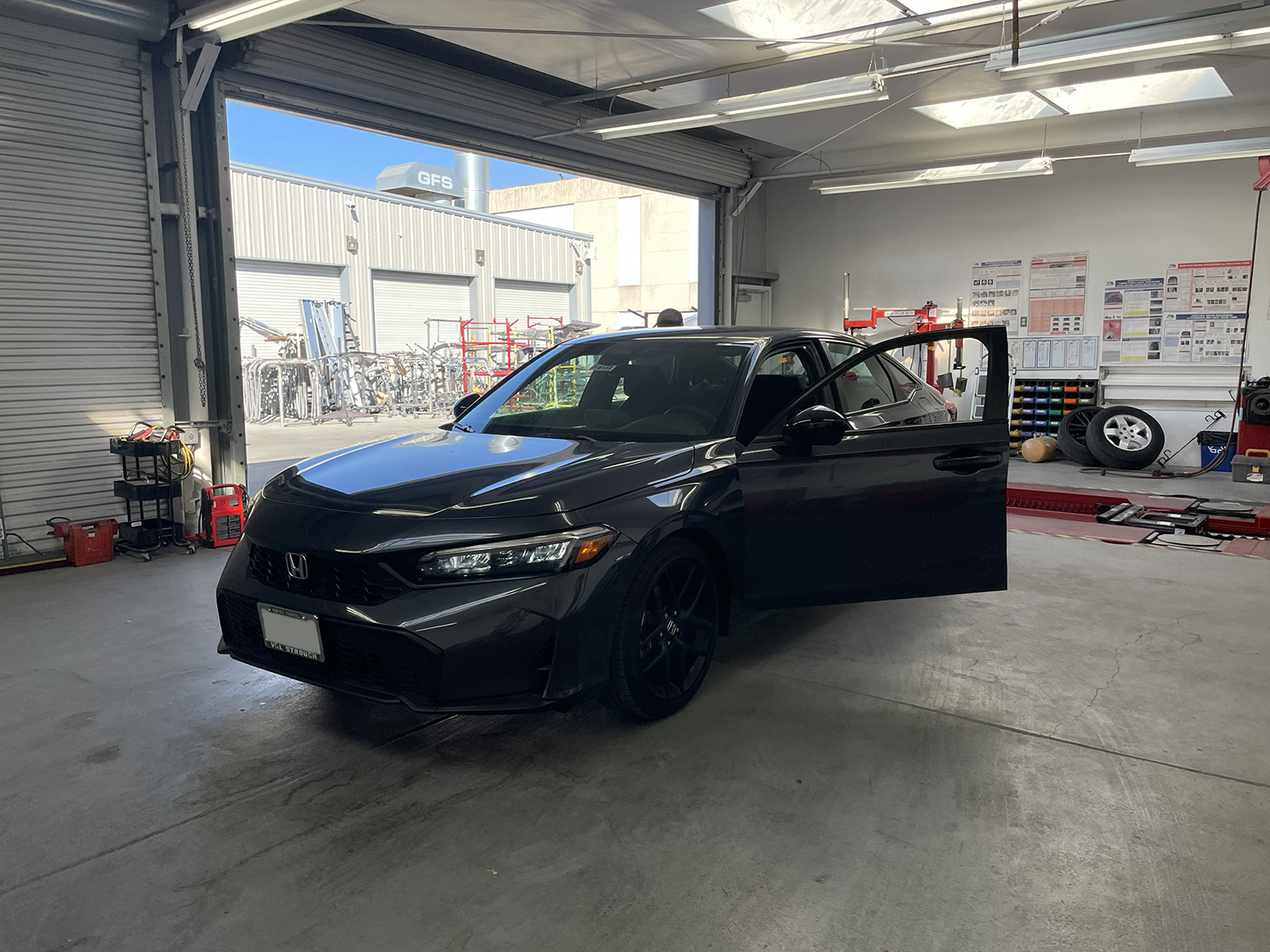
At CARSTAR Robert’s Collision, we give that technology careful attention through our partnership with Monterey Coastal Scanning, a separate ADAS calibration business that rents space on our one-acre lot in Monterey.
Having our calibration partner on site helps us coordinate required procedures, expedite the repair process, and repair vehicles more efficiently.
Modern Driver Assistance Systems Depend on Precision
Advanced Driver Assistance Systems, or ADAS, use cameras, sensors, and electronic control modules to interpret information about your vehicle’s surroundings.
Depending on your vehicle’s equipment:
- Cameras may identify lane markings.
- Radar sensors may measure the distance to traffic ahead.
- Blind spot systems may detect vehicles beside or behind you.
- Parking sensors may alert you to nearby obstacles.
- Multiple cameras may provide a surround-view image.
These features perform different tasks, but accurate installation and applicable calibration are important to their operation.
Why Small Changes Can Matter
A few millimeters may seem insignificant. However, the effect of a change in a sensor’s position depends on the component, its mounting arrangement, and the manufacturer’s specifications.
A change in angle can also affect where a camera or radar sensor is directed.
Think about aiming a flashlight at a nearby wall. A small movement shifts the beam slightly. Aim it at a distant object, and the same movement produces a more noticeable change.
Vehicle sensing technology is more complex than a flashlight, but the illustration shows why direction matters.
There is no universal measurement that tells you whether every vehicle needs calibration. Manufacturer procedures establish the requirements for the specific vehicle and system.
A Repaired Bumper Is Only Part of the Picture
After an accident, your bumper may be repaired or replaced, and the paint may match beautifully.
Behind that bumper, however, a radar sensor or mounting bracket may also need attention.
Depending on the vehicle, those components can support features such as:
- Adaptive cruise control
- Forward collision warning
- Automatic emergency braking
- Blind spot monitoring
- Rear cross-traffic alert
Cameras behind the windshield, in mirrors, or elsewhere around the vehicle may also have calibration requirements after certain repairs.
The finished appearance cannot tell you whether those procedures were needed—or completed.
That is why identifying applicable ADAS requirements belongs in the collision repair process.
When Might Calibration Be Required?
A collision can affect a camera, radar sensor, mounting bracket, or the structure supporting it. Removing, replacing, or repositioning components during repairs can also create a calibration requirement.
Depending on the manufacturer’s instructions, calibration may be needed after:
- Windshield replacement involving a mounted camera
- Bumper or grille repairs affecting radar sensors
- Camera, sensor, or mounting bracket replacement
- Mirror replacement involving relevant cameras or sensors
- Structural repairs affecting sensor positioning
- Certain suspension, steering, or wheel alignment procedures
Not every accident requires calibration of every system. The vehicle’s equipment, damage, and repairs determine which manufacturer procedures apply.
Calibration Requires the Correct Setup and Procedure
ADAS calibration involves more than looking at a sensor and deciding that it appears straight.
Depending on the vehicle and system, the procedure may require:
- Specialized calibration targets
- Diagnostic equipment and applicable software
- Precise distance and alignment measurements
- Specific floor, lighting, or workspace conditions
- Vehicle preparation, such as checking tire pressure or alignment
- Driving under manufacturer-specified conditions
Some calibrations take place while the vehicle is stationary. Others require a prescribed driving procedure. Certain vehicles require both.
The equipment and setup must suit the procedure being performed. Careful preparation matters just as much as the calibration itself.
Every Vehicle Has Its Own Requirements
There is no single calibration process that works for every vehicle.
Requirements can differ between manufacturers, models, model years, and individual systems on the same vehicle. Even vehicles from closely related brands may have different instructions.
That is why vehicle-specific manufacturer repair information guides the work.
Calibration establishes the required reference points or alignment for the applicable system. Any required checks and verification steps must also follow the relevant procedures.
Meet Our On-Site Partner: Monterey Coastal Scanning
Monterey Coastal Scanning is a separate ADAS calibration business located on CARSTAR Robert’s Collision’s one-acre lot in Monterey, California.
Our partnership brings collision repair and calibration together at one convenient location.
CARSTAR Robert’s Collision handles the body, structural, and cosmetic repairs. Monterey Coastal Scanning provides ADAS calibration using specialized technology and applicable manufacturer procedures to help restore calibrated systems to factory specifications.
For vehicles being repaired at our shop, having Monterey Coastal Scanning on site can simplify scheduling, improve communication, and reduce transportation delays associated with visiting a separate calibration facility.
This coordination helps us move vehicles through the repair process more efficiently while giving applicable calibration requirements the attention they deserve.
Precision Matters Because People Matter
Behind every repair is someone who depends on that vehicle.
It may carry children to school, take a family member to work, or bring everyone together for a weekend trip along the coast.
Driver assistance features can provide useful warnings and support in certain situations. Addressing required calibration after repairs helps support their intended operation.
These features still have limitations. Weather, visibility, road conditions, and obstructed sensors can affect performance. Drivers must remain attentive and responsible for operating the vehicle.
Proper calibration supports driver assistance technology; attentive driving remains essential.
Small Measurements. Big Responsibility.
Modern collision repair combines craftsmanship with diagnostics, measurements, and vehicle-specific repair procedures.
At CARSTAR Robert’s Collision, our partnership with Monterey Coastal Scanning helps us coordinate the visible repairs and applicable ADAS calibration at one location.
From a repaired panel to the sensor behind it, careful work matters.
Need Collision Repair in Monterey?
If your vehicle has been involved in an accident, our team is here to explain the repair process, including any applicable ADAS calibration requirements.
Our on-site partnership with Monterey Coastal Scanning helps us coordinate these services efficiently, with clear communication and attention to manufacturer procedures.
Contact CARSTAR Robert’s Collision or schedule your estimate online to take the next step toward repairing your vehicle.