After a collision, most people focus on the visible damage.
Will the bumper look new again? Can you match the paint? Will anyone be able to tell the vehicle was ever in an accident?
Those are important questions. But today’s vehicles also require attention to the technology beneath the surface.
Cameras, radar sensors, and electronic systems support features such as automatic emergency braking, blind spot monitoring, and lane keep assist. Even after the dents have been repaired and the paint has dried, your vehicle may still need Advanced Driver Assistance Systems (ADAS) calibration.
At CARSTAR Robert’s Collision in Monterey, we partner with Monterey Coastal Scanning, a separate ADAS calibration business that rents space on our one-acre lot. Having this service on site helps us coordinate required calibrations, expedite the repair process, and repair vehicles more efficiently.
Your Vehicle May Look Repaired—but Its Sensors Still Need Attention
Many modern driver assistance features rely on accurately positioned cameras and radar sensors.
Depending on your vehicle’s equipment, these features may include:
- Adaptive cruise control
- Blind spot monitoring
- Lane keep assist
- Forward collision warning
- Automatic emergency braking
- Rear cross-traffic alert
- 360-degree surround-view cameras
- Parking assistance
These systems use information about your vehicle’s surroundings to provide warnings or assistance.
If a collision or subsequent repair affects a component’s alignment or reference points, the applicable system may need calibration according to manufacturer procedures.
A finished exterior does not tell you whether the vehicle’s required calibrations have been completed.
Even a Minor Collision Can Create a Calibration Requirement
Calibration is not reserved for vehicles with extensive collision damage.
A relatively minor impact can affect a camera, radar sensor, mounting bracket, or the structure supporting it. Replacing or reinstalling certain components during repairs can also trigger a manufacturer-required calibration.
Depending on the vehicle and repair procedures, calibration may be necessary after work involving:
- Bumpers or grilles near radar sensors
- Windshields with mounted cameras
- Mirrors containing cameras or relevant sensors
- Camera or radar sensor replacement
- Sensor mounting brackets
- Structural repairs affecting component positioning
- Certain suspension, steering, or wheel alignment procedures
Sometimes the sensor itself is undamaged, but its mounting position has changed.
The need for calibration depends on the specific vehicle, damage, and repairs—not simply how serious the accident looked.
Why a Small Change in Alignment Matters
Imagine pointing a flashlight toward a nearby wall. A small change in its angle moves the beam a short distance.
Aim that same flashlight at a much more distant object, and the change becomes more noticeable.
This illustrates why the direction of a camera or radar sensor matters. A slight shift can affect how it interprets the area around your vehicle.
ADAS calibration establishes the alignment or reference points required by the manufacturer for the applicable system. It is a precise procedure guided by vehicle-specific instructions.
Calibration Follows Manufacturer Procedures
Professional calibration involves more than visually checking a sensor or clearing a warning light.
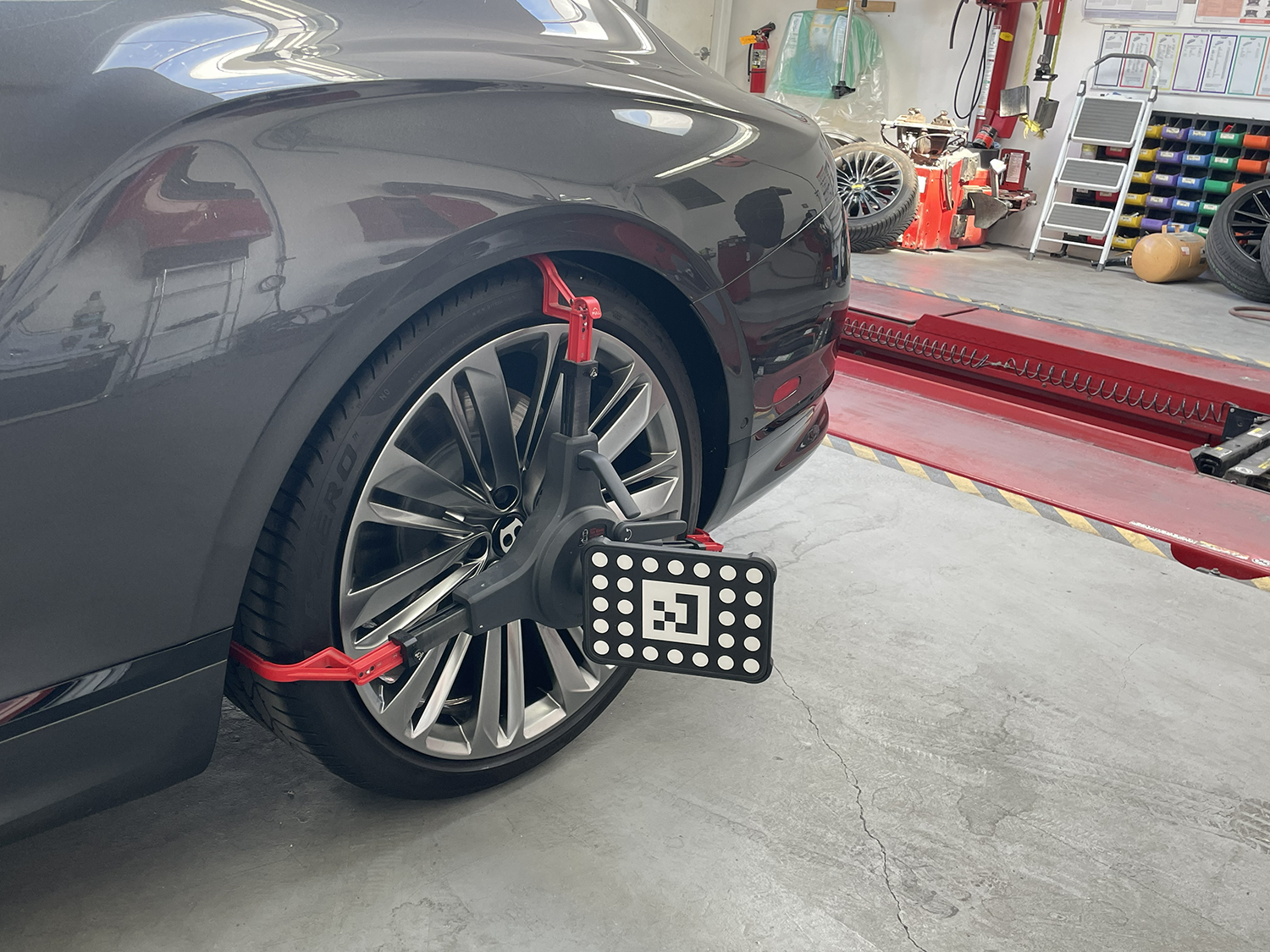
Depending on the vehicle, the procedure may require specialized targets, diagnostic equipment, precise measurements, controlled setup conditions, a prescribed road-driving procedure, or a combination of these steps.
Requirements can differ between manufacturers, models, and systems on the same vehicle.
Some procedures take place with the vehicle stationary. Others require driving under specified conditions. Certain vehicles require both.
That is why the correct manufacturer repair information matters: it establishes the preparation, equipment, and steps needed for the particular calibration.
Our On-Site Partnership with Monterey Coastal Scanning
At CARSTAR Robert’s Collision, we bring collision repair and ADAS calibration together through our partnership with Monterey Coastal Scanning.
Monterey Coastal Scanning is a separate business that rents space on our one-acre lot in Monterey, California.
Our team handles the collision repairs. Monterey Coastal Scanning provides ADAS calibration using specialized technology and applicable manufacturer procedures to help restore calibrated systems to factory specifications.
For vehicles undergoing repairs at our shop, this on-site arrangement supports:
- Easier coordination between repair and calibration teams
- Clearer communication about vehicle readiness
- Reduced transportation to a separate calibration facility
- More efficient scheduling of required calibration work
- A smoother overall repair experience
Actual turnaround time depends on the vehicle, repair needs, parts availability, and calibration requirements. Having our calibration partner on site helps reduce avoidable logistical delays.
A Diagnostic Scan Does Not Replace Calibration
Scanning and calibration serve different purposes.
A diagnostic scan retrieves information from the vehicle’s electronic control modules, including fault codes that can help guide diagnosis and repair.
Calibration establishes required reference points or alignment for applicable cameras and sensors.
Completing a scan—or clearing a warning light—does not automatically complete a required calibration. The manufacturer’s instructions determine which procedures are necessary.
Why This Matters for You and Your Family
Driver assistance systems can provide useful warnings and support in certain driving situations. Some are designed to help reduce the likelihood or severity of particular collisions.
After an accident, addressing applicable calibration requirements is an important part of the repair process.
These technologies still have limitations. Drivers must remain attentive and responsible for operating the vehicle, even when its systems have been properly calibrated.
Our commitment is to give both the visible damage and the relevant technology careful attention, so you understand the work involved in repairing your vehicle.
Collision Repair Has Changed
Repairing modern vehicles involves bodywork, structural repairs, and paint refinishing alongside diagnostics and manufacturer-required procedures for electronic systems.
At CARSTAR Robert’s Collision, our partnership with Monterey Coastal Scanning helps us coordinate these essential services at one location.
From the repaired bumper to the sensor behind it, every applicable step deserves attention.
Need Collision Repair in Monterey?
If your vehicle has been involved in an accident, our team is here to help you understand its repair needs—including any applicable ADAS calibration requirements.
Through our on-site partnership with Monterey Coastal Scanning, we can coordinate collision repairs and calibration more efficiently while following the procedures required for your vehicle.
Contact CARSTAR Robert’s Collision or schedule your estimate online to learn how we help Monterey Peninsula drivers navigate the repair process with clear communication and careful workmanship.